Rich topics to engage learners.

A number of schools are ‘experimenting’ with providing the curriculum to their students by means of a series of ‘rich topics’. This is in response to what they have found is an impossible ask, to cover all the ‘overcrowded’ curriculum requirements that have developed as a result of the imposition of too many standardized curriculums.
This seems a reasonable if not a very original idea; having been developed by creative primary teachers in the sixties and seventies. The current phrase ‘rich topics’ originated from the Queensland ‘New Basics’ programme.
The Ministry of Education, in an attempt to play ‘catch up’, have realized that school are struggling to implement and assess their impossible demands ( even if they won’t admit to their curriculums being a mistake) and are currently ‘stocktaking’ them. School now wait for the latest thinking to come down from on high – key competencies; another hardly original idea, but that another story.
In the meantime the ‘message’ is for schools to ensure they cover the ‘big idea’s, or strands, of the current documents.
I have worked with several schools to identify the main themes that contribute to the making of a ‘kiwi’ consciousness. We did this by considering all the strands in all the Learning Areas and came up with the following list. Although each topic will feature a particular area they all include relevant elements of the others. A simple check list completed at the end of each year will point out any obvious gaps – there is no need to plan more than a year ahead.
What ever is chosen it is important to select three or four main outcomes to avoid a new problem - the ‘overcrowded study’! Doing fewer things well is an important message.
Each unit should try to keep to five weeks or less to allow for individual teachers to introduce ideas of their own, or to cover emergent interests. Each study is also an opportunity to introduce relevant study skills agreed to by the school.
The themes are as follows:
1. Hau ora. A unit to begin the year. Ideas for studies could be: who are we – family histories what makes us special; our talents; school vision ad values – our beliefs; getting on with each other – team work and conflict resolution.
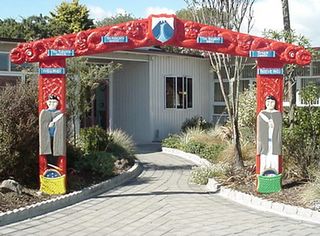
2. Tangata whenua. A study about local Maori history and development. Tribal stories .Maori landmarks marks – pa sites. Maori identities past and present.
3. Turanga waewae – our place and environment. Environmental studies. Ecology .Local heritage Architecture, Community facilities and government.
4. Other Cultures – to develop global awareness and cultural understanding.
5. Other Cultures in History – sense of time and similarities and diffences.
6. Science Change and Technology.
7. Creative Arts – select appropriate creative expression area to develop
8. An Independent Study – to assess how well students can apply the learning 'how to research,' or study skills and media skills, that have been taught during the year.
The next step would be for the staff to 'brainstorm' ideas, or contexts, for studies to list under each heading.
Ideas to expand these ideas are to be found on our web site.